



solutions@ramtechglobal.com | +1 (704) 559 1448
solutions@ramtechglobal.com | +44 (0)115 957 8282
Canning Town cladding remediation project is being delivered at a six-storey occupied residential building in Canning Town, London, comprising 50 homes. The works are progressing through a 68-week phased programme, with completion scheduled for July 2026. Residents have remained in occupation throughout, requiring a fire safety approach that delivers continuous protection without disrupting daily life.
The remediation includes two-dimensional cladding replacement and the removal of combustible materials behind the existing façade. As works progress floor by floor, the fire risk profile changes constantly, creating a dynamic environment where a static fire safety arrangement would not provide consistent protection.
Challenge
Phased cladding remediation introduces evolving fire risks as exposure levels, temporary compartments, and access routes change throughout the programme. At Canning Town, these risks were amplified by scaffolded elevations, exposed external wall materials, and the need to maintain protection during overnight and out-of-hours periods when the site is unattended but residents remain in their homes.
Any solution needed to adapt as the works progressed, support rapid escalation if an incident occurred, and minimise false alarms that could lead to unnecessary disruption or emergency response.


A simple, robust, and effective 24/7 solution—giving the site team and residents real peace of mind. False alarms are minimised; only one call-out has occurred during normal working hours due to scaffolding adjustments.
John Quinn, Director at Veritas Contact
Solution
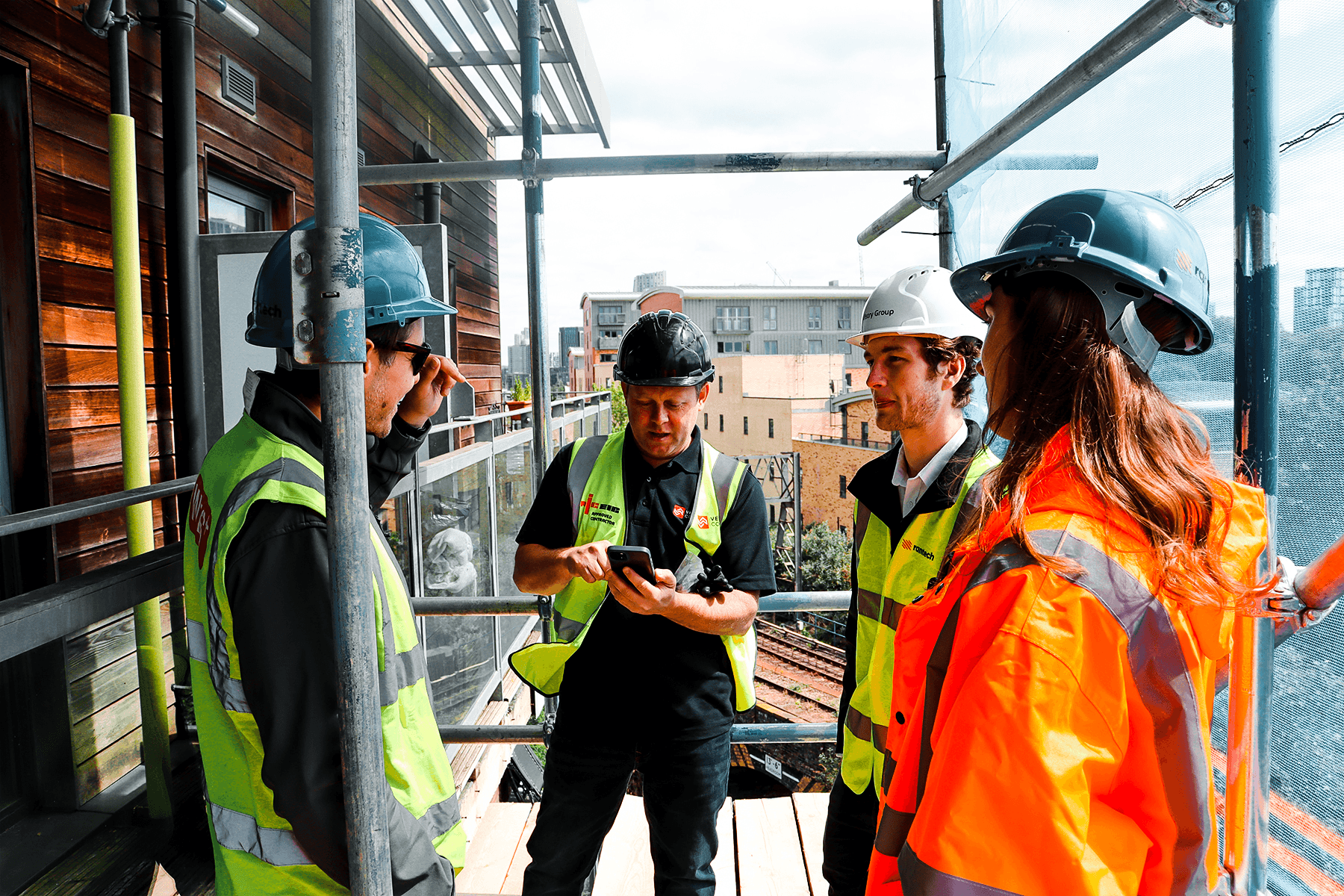
Ramtech worked closely with our installation partner, Veritas Contact, to deliver a phased, adaptable fire safety solution that evolved alongside the remediation programme. Operating independently from the building’s permanent fire alarm, the system provided a dedicated temporary arrangement throughout the works.
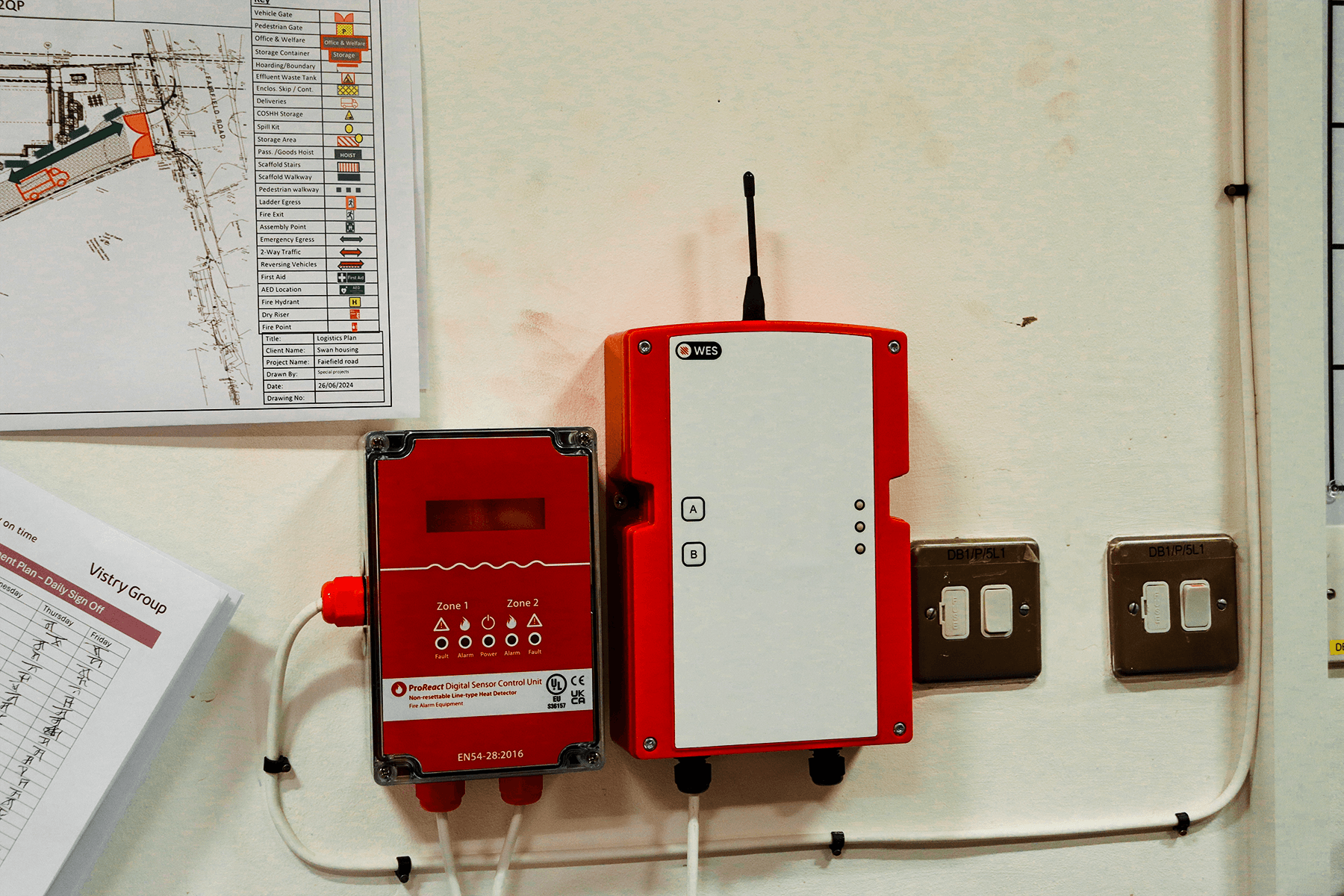
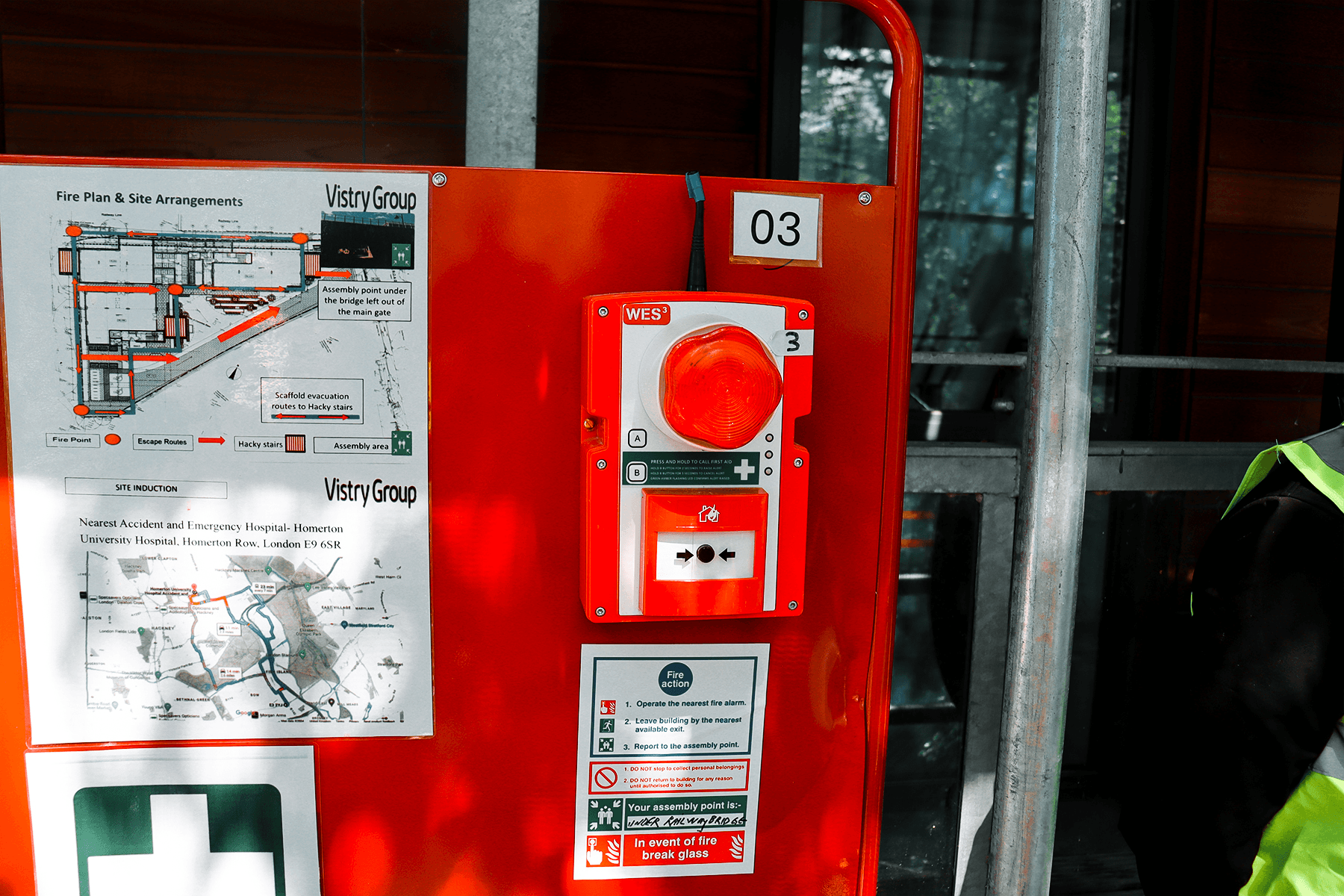
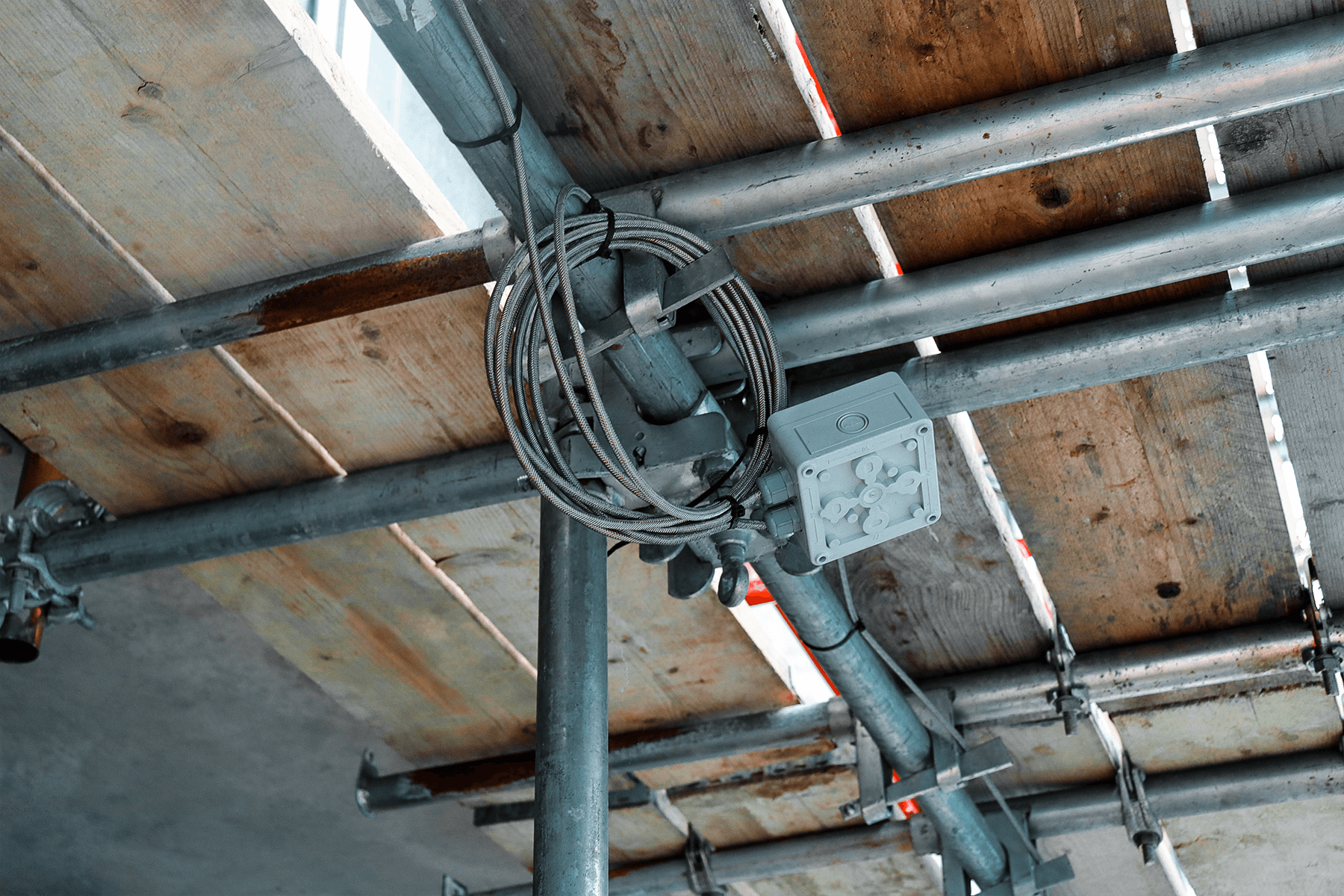
The solution combined Thermocable Linear Heat Detection, WES3 wireless manual call points, and the REACT emergency notification system, with CCTV verification incorporated where required.
Linear heat detection was installed on alternate floors, concentrating protection on areas where cladding removal and increased exposure presented the highest fire risk at each stage. As remediation progressed, detection zones were reconfigured to maintain continuous monitoring of exposed façades and temporary work areas.
A total of 28 WES3 wireless manual call points were deployed across the building and repositioned as the site layout changed. Upon activation of the linear heat detection, the WES3 system entered alarm, providing a clear and immediate indication of a fire event and supporting a rapid, coordinated response. Linear heat detection was selected for its proven reliability in dusty, constantly changing construction environments, as well as its effectiveness in protecting long, exposed areas where traditional point detection would be impractical.
System Flexibility and Maintenance
Throughout the project, Ramtech and Veritas Contact have demonstrated the flexibility of the fire detection system by adapting installations in line with scaffold removal and evolving site conditions. Devices, detection zones, and alarm coverage are regularly reviewed and reconfigured to ensure protection remains aligned with the current phase of works Continuous fire detection is maintained at all times, supported by 24/7 out-of-hours notification via REACT, escalation to the Alarm Receiving Centre (ARC), and CCTV verification where necessary. This layered approach ensures incidents are verified quickly and responded to appropriately, reducing reliance on manual fire watch alone.
To date, only one call-out has occurred, during standard working hours, demonstrating the robustness of the system and its ability to minimise false alarms. This has helped avoid unnecessary disruption to residents and prevent costly emergency responses “A simple, robust, and effective 24/7 solution—giving the site team and residents real peace of mind. False alarms are minimised; only one call-out has occurred during normal working hours due to scaffolding adjustments.” John Quinn, Director at Veritas Contact
For more information and to explore the benefits of our wireless safety solutions, please don’t hesitate to contact us.
Additionally, you can access detailed information in our WES3 brochure or our Construction brochure, providing insights into how our technology can revolutionise your construction projects while ensuring the utmost safety. We look forward to partnering with you on your journey towards safer and more successful construction ventures.